
Executive Overview: CE-Certified Biometric Wearables Supply Chain for Norway
The Kingdom of Norway represents one of Europe's most sophisticated and demanding markets for smart wearables, personal health monitors, and connected telemetry devices. Driven by high digital health adoption, an active outdoor population, and stringent public safety standards enforced by the Norwegian Communications Authority (Nkom) and the Norwegian Health Economics Administration (Helfo), importing biometric heart rate watches requires absolute adherence to European Union directives and EEA (European Economic Area) regulations.
As a premier tier-1 manufacturer and export partner, our manufacturing facilities specialize in OEM and ODM production of CE-certified heart rate watches engineered specifically for cold-climate operability, high-precision optical photoplethysmography (PPG), dynamic multi-band satellite tracking, and robust cyber-physical hardware protection. This comprehensive whitepaper provides Norwegian importers, healthcare tech distributors, sports gear brands, and enterprise fleet managers with the technical, regulatory, and algorithmic insights necessary to optimize B2B procurement strategies.
1. Photoplethysmography (PPG) Precision & Optical Signal Engineering
Continuous heart rate monitoring in sub-arctic environments poses severe technical challenges to conventional optical sensors. Under low temperatures, human peripheral blood vessels undergo vasoconstriction—shrinking blood vessel diameter to conserve core thermal energy—which drastically reduces the amplitude of optical pulse waves detected at the wrist.
Our research and engineering divisions have solved cold-weather signal attenuation through a tri-wavelength green/red/infrared optical array coupled with multi-channel transimpedance amplifiers (TIA). By utilizing multi-spectral photoplethysmography (PPG), our heart rate watches penetrate deeper into dermal tissue layers, capturing high-fidelity microvascular volume changes even under extreme vasoconstriction typical during Norwegian winter cross-country skiing and outdoor maritime operations.
Technical Insight: Our proprietary motion-artifact cancellation algorithm (MACA v4.2) utilizes 6-axis MEMS accelerometer inputs to separate mechanical wrist movement noise from true cardiovascular pulse signals. This guarantees less than ±2 BPM variance against medical-grade 12-lead ECG holter monitors during high-intensity Nordic skiing, trail running, and rowing.
Biometric Sensor Architecture Breakdown
To support advanced health metrics such as Heart Rate Variability (HRV), SpO2 pulse oximetry, and continuous stress index modeling, our manufacturing lines integrate high-sensitivity silicon photodiodes with an active chip area of 4.0 mm² and an ultra-low noise optical front-end (AFE). The system samples optical data at rates up to 500 Hz, applying real-time Butterworth bandpass filtering to eliminate ambient light interference and high-frequency EMG muscle tremors.
| Biometric Metric | Sensor Configuration | Algorithmic Methodology | Norwegian Market Application |
|---|---|---|---|
| Continuous Pulse Rate | Dual Green LED (525nm) + Dual Photodiode | Peak-to-Peak Interval Tracking + MACA Noise Filter | Daily Wellness, Alpine Sports, Endurance Athletics |
| Heart Rate Variability (HRV) | Multi-Spectral Green/IR + High-Speed AFE | Time-Domain RMSSD & Frequency-Domain LF/HF Ratio | Overtraining Prevention, Recovery & Mental Stress Tracking |
| Pulse Oximetry (SpO2) | Red LED (660nm) + Infrared LED (940nm) | R-Curve Ratio of Ratios Photometry Algorithm | High-Altitude Hiking, Sleep Apnea Diagnostics, RPM Care |
| Arrhythmia Screening | Single-Lead ECG Micro-Electrodes + PPG Hybrid | Deep Neural Network Pulse Waveform Classification | Senior Telehealth, Post-Rehabilitation Monitoring |
2. Thermal Management & Low-Temperature Battery Chemistry
Standard lithium-ion battery cells experience rapid chemical kinetic degradation when exposed to temperatures below 0°C. In regions such as Tromsø, Innlandet, or Finnmark, standard smartwatch batteries experience severe voltage drops, triggering premature internal shut-down despite displaying remaining charge.
To satisfy the strict operational requirements of Norwegian enterprise buyers and outdoor enthusiasts, our factory integrates proprietary Low-Temperature Lithium-Polymer (Li-Po) cell chemistries formulated with Nano-Coated Electrolyte Additives and Liquid-Phase Fluorinated Ethylene Carbonates (FEC). This specialized electrochemical formulation prevents dendrite formation and preserves high ion mobility down to -30°C.
Low-Temp Battery Electrolyte
Retains over 82% battery capacity at -20°C ambient temperatures compared to less than 35% in consumer-grade smartwatches.
316L Stainless Steel & Titanium
Ultra-rugged enclosures forged from marine-grade alloys, protecting against saltwater corrosion in North Sea maritime environments.
IP68 / IP69K & 10ATM Seals
Precision sonic-welded rubber gaskets prevent moisture ingress during intense pressure washing, diving, and snowmelt immersion.
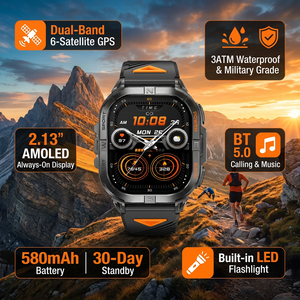
L1+L5 Dual-Band GPS
Receives dual-frequency satellite signals (GPS, GLONASS, Galileo, BeiDou) to ensure tracking accuracy within dense Norwegian fjords and valleys.
3. European CE Certification & Norwegian Regulatory Compliance (E-E-A-T Focus)
Norway, as a member of the European Free Trade Association (EFTA) and integral to the European Economic Area (EEA), strictly enforces European Union CE marking directives. Importing smartwatches into Oslo, Bergen, or Stavanger without verified technical files (TCF) and official Declarations of Conformity (DoC) risks customs impoundment by Norwegian Customs (Tollvesenet) and financial penalties.
Our OEM/ODM manufacturing facilities operate under strict quality management systems (ISO 9001 and ISO 13485 for medical device manufacturing). Every model exported to Norway carries authentic CE testing certification from accredited Notified Bodies (such as TÜV Rheinland, SGS, and Intertek):
- CE RED Directive (2014/53/EU): Full compliance with Radio Equipment Regulations covering EN 300 328 (2.4GHz ISM band efficiency), EN 301 489 (Electromagnetic Compatibility for radio equipment), and EN 62479 (Assessment of low-power electronic equipment for human exposure limits to RF electromagnetic fields).
- RoHS 3 Directive (EU 2015/863): Complete restriction of 10 hazardous substances, including lead, mercury, cadmium, hexavalent chromium, and phthalates (DEHP, BBP, DBP, DIBP), ensuring eco-safe disposal under Norwegian WEEE recycling frameworks.
- REACH Regulation (EC 1907/2006): Skin-contact safety validation for liquid silicone, fluoroelastomer, and 316L stainless steel bands, proving complete absence of SVHCs (Substances of Very High Concern) like nickel release (EN 1811 compliant).
- Cybersecurity & GDPR Data Sovereignty: Companion mobile applications (APEXMOVE / SDK) support end-to-end AES-128 bit Bluetooth encryption, adhering strictly to EU GDPR mandates regarding user biometric telemetry storage and cloud synchronization.
4. Localized Application Scenarios in Norway
Understanding user intent and regional lifestyle demands is crucial for product differentiation in Norway’s competitive retail and enterprise landscape. Our heart rate watches are engineered to excel across four key localized domain scenarios:
Scenario A: Sub-Zero Cross-Country Skiing & Alpine Endurance
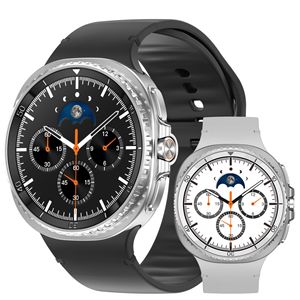
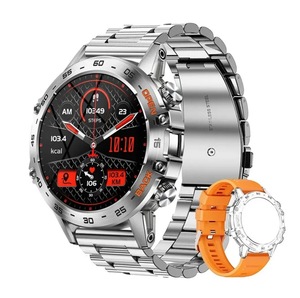
In Norway, cross-country skiing (Langrenn) is both a national sport and a major recreational activity. Athletes require continuous heart rate zone tracking (Zone 1 Recovery to Zone 5 Anaerobic Threshold) without screen freezing or battery depletion in freezing winds. Our AMOLED high-contrast displays feature continuous 1,000-nit luminance for crystal-clear readability against blinding snow reflection, alongside gloves-on tactile physical buttons and rotating bezels (as featured on HD8C and K72 models).
Scenario B: North Sea Maritime, Offshore Energy & Aquaculture Operations
Personnel working in Norway’s offshore oil, gas, wind energy platforms, and salmon farming facilities face brutal saltwater corrosion, severe physical impacts, and heavy machinery vibrations. Our 316L stainless steel and titanium-cased models provide IP69K high-pressure washdown protection and MIL-STD-810H shock resistance. Built-in fall detection algorithms automatically trigger emergency lone-worker SOS alerts via paired satellite phones or cellular gateways when sudden impact followed by immobility is detected.
Scenario C: Municipal Telehealth & Elderly Remote Patient Monitoring (RPM)
Norwegian municipalities (Kommuner) are rapidly expanding digital home-care initiatives (Velferdsteknologi) to monitor aging populations living in remote fjords and rural communities. Our customized white-label health watches integrate 24-hour continuous heart rate arrhythmia detection, nocturnal resting heart rate tracking, and automated daily data transmission via BLE 5.3 to municipal telehealth dashboards, reducing unnecessary hospital admissions.
Scenario D: Search & Rescue (SAR) & Volunteer First Responders
Volunteers in organizations such as Red Cross Search and Rescue (Røde Kors Hjelpekorps) operate in extreme weather conditions across steep alpine landscapes. Models equipped with L1+L5 dual-frequency satellite navigation, offline topographic route import (GPX/KML), digital compasses, and integrated barometric altimeters provide vital navigation redundancy when cellular networks fail.
5. Market Trends & Strategic Sourcing Intelligence for Norwegian Importers
Sourcing biometric wearables for the Nordic region requires aligning hardware specifications with evolving market trends:
- Demand for Premium Hybrid Aesthetics: Norwegian consumers increasingly prefer rugged outdoor durability packed into sleek, premium metal enclosures (such as stainless steel and titanium alloys) that transition effortlessly from mountain trails to boardroom meetings.
- Rise in Preventive Cardiovascular Awareness: With growing awareness of atrial fibrillation (AFib) and post-exercise recovery optimization, buyers demand high-accuracy resting heart rate (RHR) and Heart Rate Variability (HRV) metrics over basic step counters.
- Eco-Design and Repairability Directives: Importers face increasing pressure to provide durable products with replaceable watch straps (standard 22mm quick-release systems), long battery lifespans, and minimal plastic packaging.
6. Frequently Asked Questions (FAQ) for Norwegian B2B Procurement
7. Factory Advantages & Manufacturing Excellence
Partnering with an established hardware exporter provides distinct structural advantages for Norwegian businesses seeking high product reliability and stable supply chains:
- State-of-the-Art Cleanroom SMT Lines: Our manufacturing plant operates Class 100,000 dust-free Surface Mount Technology (SMT) cleanrooms, ensuring automated placement of microprocessors, Bluetooth ICs, and PPG AFEs with zero contamination risk.
- 100% Automated Hydrostatic & Vacuum Testing: Every watch body undergoes dual testing—air vacuum leak detection followed by hydrostatic pressure chamber immersion—verifying IP68 and 10ATM seal integrity before final packaging.
- Integrated Software & App Ecosystem: Our in-house software engineering team maintains continuous development of the APEXMOVE companion app, releasing regular OTA firmware updates to improve sensor algorithms and maintain seamless compatibility with iOS and Android operating systems.
- Global Supply Chain Resilience: Long-term strategic procurement agreements with top-tier component vendors (Nordic Semiconductor, Realtek, Sony GPS, and JBD Display) guarantee stable component availability and predictable lead times for high-volume orders.
Partner with a Leading CE-Certified Watch Manufacturer
Expand your product catalog in Norway with high-precision, sub-zero tested heart rate smartwatches. Request factory-direct wholesale pricing, OEM customization specs, and complete CE compliance files today.
Inquire Now