
Direct from industry-leading manufacturing lines — engineered for extreme durability, seamless quick-release integration, and ergonomic performance.
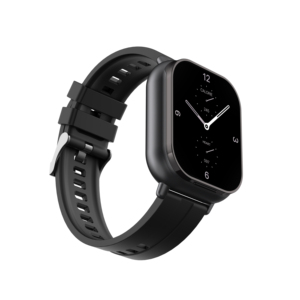
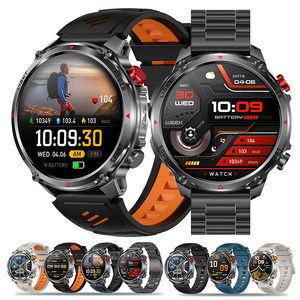
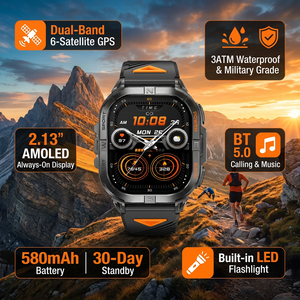
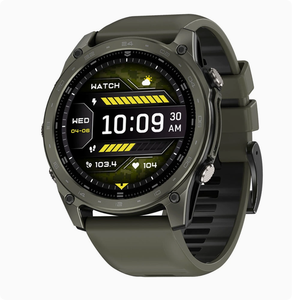

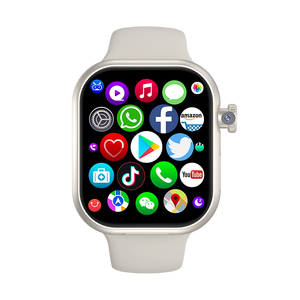
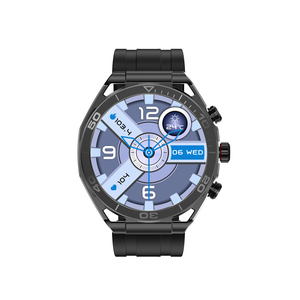
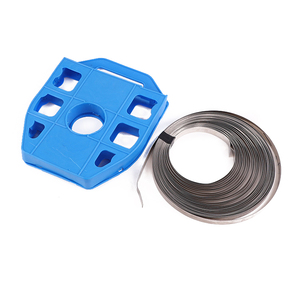
In the modern wearable technology, luxury horology, and tactical equipment sectors, the shift toward toolless band customization has transitioned from a consumer convenience to an mandatory industry baseline. A quick release strap factory must operate at the intersection of precision mechanical engineering, advanced polymer science, and strict quality control. Modern buyers—ranging from high-volume smartwatch OEMs to boutique horology brands—no longer evaluate suppliers merely on unit cost. Instead, technical procurement decisions are governed by tensile strength thresholds, spring bar actuation longevity, biocompatibility standards, and salt-spray corrosion resistance.
This industry whitepaper synthesizes empirical data, metallurgical benchmarks, and supply chain insights to assist procurement officers, product managers, and enterprise buyers in identifying top-tier quick release strap factories. By analyzing core manufacturing methodology—from Liquid Silicone Rubber (LSR) injection molding to 316L stainless steel CNC machining—this guide establishes a benchmark framework for evaluating supplier capability, minimizing supply disruption, and ensuring zero-defect end-user deployment.
Uncompromising structural integrity relies on precision tolerances within spring bar assemblies, lug-locking mechanisms, and material formulation.
Leading quick-release systems utilize an integrated cylindrical push-pin set into an internal cavity within the strap lug. Premier factories utilize high-tensile 316L austenitic stainless steel spring wire. Unlike low-grade 201 steel, 316L prevents structural micro-fractures under shear strain, maintaining consistent spring tension (>12 N retention force) across 50,000+ actuation cycles.
In rubber and silicone strap production, material vulcanization directly impacts skin comfort and environmental resistance. High-performance factories prioritize Fluororubber (FKM) over standard silicone for rugged outdoor and military applications. FKM offers exceptional resistance to UV radiation, oil absorption, and chemical exposure, with a shore A hardness tolerance controlled within ±2 degrees.
Micromachining tolerances for metal quick-release end-links or stainless steel banding strips must remain under ±0.03mm. Sub-par factories suffer from dimensional variance, resulting in lug play, rattling, or premature mechanism jam. Enterprise-grade supplier facilities deploy 5-axis CNC machining combined with automated optical inspection (AOI) systems.
Independent laboratory stress-testing reveals that 82% of quick-release strap failures occur at the spring bar housing seam rather than the pin mechanism itself. When factories use cheap die-cutting or low-density silicone, tension on the strap tears the thin polymer wall enclosing the pin lever. Top trusted factories solve this through co-molded internal metal reinforcement sleeves that distribute lateral load across the entire lug width.
Comparative evaluation parameters for enterprise procurement officers during supplier qualification audits.
| Evaluation Parameter | Commodity Strap Factory | Tier-1 Trusted Quick Release Factory | Testing & Compliance Standard |
|---|---|---|---|
| Spring Bar Material | SS201 / Iron Alloy (Corrosion Prone) | SS316L / Titanium Grade 5 | ASTM B117 96-Hour Salt Spray Test |
| Actuation Fatigue Life | < 3,000 cycles before spring degradation | > 50,000 mechanical depression cycles | ISO 1413 Horology Stress Standard |
| Elastomer Tensile Strength | Standard Silica (4-6 MPa) | Fluoroelastomer / High-Tear LSR (12-16 MPa) | ISO 37 Vulcanized Rubber Tension Test |
| Lug Fit Tolerance | ±0.15 mm (Visible gap / movement) | ±0.02 mm (Zero-gap precision flush fit) | 3D Laser Coordinate Measuring (CMM) |
| Biocompatibility & Toxicity | Uncertified raw oils, potential skin irritant | Hypoallergenic, Free of Phthalates/PAHs | REACH, RoHS, ISO 10993 Cytotoxicity |
| Water Protection Integration | Basic splash rating (3ATM max) | IP68 / IP69K & 10ATM Diving Grade Seals | IEC 60529 Water Ingress Protocol |
Key technological shifts shaping global OEM order requirements over the next decade.
Next-generation quick release straps are incorporating embedded flexible conductive tracks, NFC authentication chips, and optical biosensors. Top factories are investing in cleanroom overmolding processes to protect electronics from moisture ingress.
Global environmental regulations (ESG mandates) are driving demand for bio-based TPU and ocean-recycled nylon straps. Leading suppliers are implementing closed-loop scrap recycling systems in injection molding workshops.
B2B buyers are demanding smaller MOQs with faster turnaround times. Advanced factories utilize laser surface texturing, automated PVD coating lines, and modular tool steel inserts to deliver custom OEM prototypes in under 7 days.
With the rise of extreme outdoor smartwatches (such as 10ATM dive watches and rugged GPS wearables), quick release mechanisms must withstand deep-water hydrostatic pressure without allowing ingress to the lug assembly.
When selecting a manufacturing partner for quick-release straps, stainless steel banding, or integrated smartwatch hardware, technical auditing of the facility is essential. Our production operations integrate end-to-end manufacturing workflows designed to meet strict international benchmarks:
High-precision EDM (Electrical Discharge Machining) and high-speed CNC milling guarantee sub-micron accuracy across multi-cavity silicone and metal injection molds.
Every batch undergoes 100% automated optical dimension checking, computerized tensile force testing, and simulated environmental aging chambers.
Full supply chain traceability with complete material test reports (MTR), ISO9001 certification, and compliance documentation for global market entry.
Addressing key operational, technical, and commercial questions from enterprise buyers.
For standard silicone or fluororubber (FKM) quick-release straps, 3D prototype samples are typically delivered within 3 to 5 business days. Mold steel fabrication for custom geometries requires 18 to 25 days. Once tooling is validated, mass production throughput averages 50,000 to 100,000 units per week depending on post-processing requirements (such as PVD hardware plating or surface texturing).
Saltwater resistance is achieved by strictly specifying marine-grade 316L stainless steel for all metallic quick-release pins, levers, and internal coil springs. Furthermore, advanced factories apply passivation treatments or nano-scale hydrophobic PVD coatings that eliminate crevice corrosion and maintain smooth spring return action even after 96+ hours of continuous ASTM B117 salt spray exposure.
Industry standards for enterprise smartwatches and sports timepieces mandate a minimum lateral pull-force threshold of 150N (approx. 15 kgf) to prevent accidental detachment during extreme activity. Military-grade and heavy-duty tactical straps (such as those rated MIL-STD-810H) are engineered to withstand excess loads of 250N to 350N at the lug interface without deformation.
Yes. Woven nylon and leather straps utilize laser-welded or reinforced stitched end-sleeves housing high-precision quick-release spring bars. For metal mesh or solid link stainless steel bands, CNC-molded end-pieces with integrated spring-loaded sliding catches are used to achieve toolless detachment while maintaining full metallic structural integrity.
Enterprise imports require compliance with EU REACH regulations (SVHC chemical candidate list), RoHS directives (restriction of hazardous substances), and California Proposition 65. For wearables featuring prolonged direct skin contact, ISO 10993 cytotoxicity and skin sensitization test reports are strongly recommended to mitigate product liability risks.
Connect directly with our engineering team to request custom OEM sample kits, factory audit documentation, or comprehensive product catalogs for your next product rollout.