
Explore flagship OEM/ODM smartbands and rugged smartwatches manufactured with high-precision SMT lines, advanced PPG bio-sensors, titanium/alloy cases, and dual-band GPS architecture.
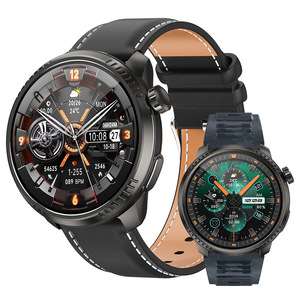
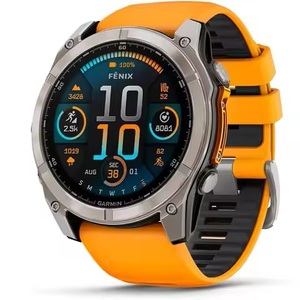
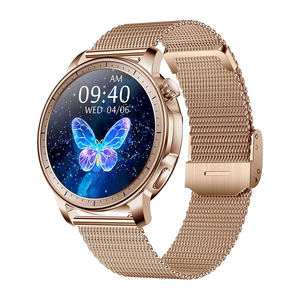
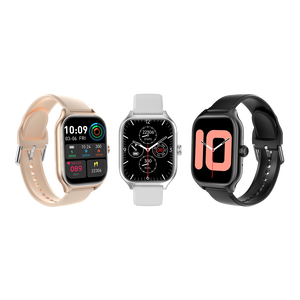
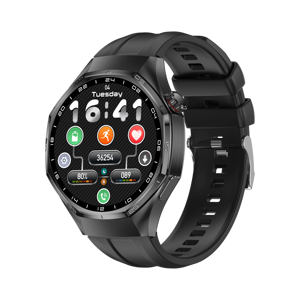
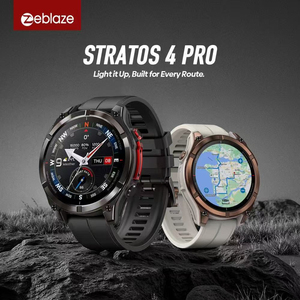
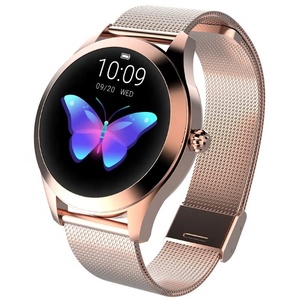
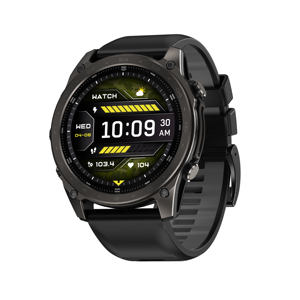
Precision manufacturing, rigorous environmental testing, custom SDK/App integration, and scaled OEM/ODM production capabilities define high-performing smartband factories.
Leading factories engineer wearables to withstand extreme thermal shocks (-40°C to +70°C), salt spray, sand/dust ingress, and high-pressure hot water washdowns. Dual-rating 10ATM hydro-testing ensures depth endurance up to 100 meters for aquatic activities.
Integrated Multi-Constellation Satellite Positioning (GPS, GLONASS, Galileo, BeiDou, QZSS, NAVIC) receives dual-frequency signals. This eliminates multi-path signal interference in dense urban environments, deep mountain canyons, and heavy forest cover.
Comprehensive turnkey solutions including custom Bluetooth protocol stacks, white-label iOS/Android applications (such as APEXMOVE integration), OTA cloud servers, and bespoke UI watch-face design engines.
As consumer expectations shift toward clinical-grade health monitoring and ultra-durable outdoor wearables, smartwatch OEM factories are upgrading their underlying component architecture.
Modern smartband factories are transitioning from single-green-LED optical sensors to multi-channel multi-wavelength arrays (Green, Red, Infrared, Yellow). Combining Photo-plethysmography (PPG) with Electro-dermal Activity (EDA) and Galvanic Skin Response (GSR) enables continuous real-time monitoring of blood oxygen (SpO2), stress indices, vascular age, and early atrial fibrillation (Afib) detection.
Furthermore, R&D labs are embedding optical bio-impedance sensors to estimate hydration levels and muscle mass metrics directly from the wrist, elevating smartbands from basic step-counters to wearable health hubs.
The display panel choice directly impacts battery longevity and marketability. Top factories now offer high-brightness (1,000+ nits) AMOLED displays featuring 326+ PPI pixel density, delivering outdoor sunlight readability comparable to flagship smartphones.
By pairing micro-AMOLED displays with ultra-low-power co-processors (such as Dual-Core ARM Cortex-M33 MCUs), these devices support Always-On Display (AOD) while keeping battery consumption low, stretching typical runtime beyond 14 to 21 continuous days on a single charge.
Traditional Lithium-Ion Polymer batteries are gradually being replaced by high-density Silicon-Anode and Semi-Solid State battery cells. These advanced chemistries provide 20% to 35% higher energy density by volume, allowing manufacturers to build ultra-thin (under 10.5mm) smartbands with high-capacity 530mAh batteries.
Combined with magnetic quick-charge pogo pin docks or wireless inductive chargers, modern trackers achieve an 80% charge in under 35 minutes, eliminating user battery anxiety during long expeditions.
Rather than relying entirely on cloud processing, modern smartband chipsets feature integrated Neural Processing Units (NPUs) or TinyML engines. These on-device AI models learn the wearer's resting baseline, filtering out motion artifacts during intensive workouts like cross-fit, swimming, or trail running.
On-device predictive algorithms can auto-detect over 15 sport categories, recognize swimming stroke styles (SWOLF scoring), and alert users to abnormal heart rate spikes prior to symptom onset.
Sourcing smartband fitness trackers requires an understanding of component lead times, OEM factory certification tiering, and total cost of ownership (TCO) optimization.
| Procurement Vector | Traditional OEM Factory Model | Modern Tier-1 Smartband Factory Model | Impact on B2B Buyers |
|---|---|---|---|
| Supply Chain Integration | Outsourced PCBA, third-party tooling, fragmented assembly lines. | In-house SMT, tooling, injection molding & hydro-testing labs. | Reduces BOM costs by 15-22% and cuts prototype lead time from 12 weeks to 21 days. |
| Quality Assurance Standard | Standard AQL 1.5 Major / 4.0 Minor; batch sampling. | AQL 0.4 Major / 1.0 Minor; 100% automated optical inspection (AOI). | Minimizes return rates (<0.5%) and preserves retailer brand equity. |
| Waterproof Testing Protocol | Basic static pressure tank dipping (3ATM static). | IP69K hot-water jet pressure test + 10ATM dynamic depth chamber. | Guarantees warranty compliance for outdoor, diving, and industrial workwear brands. |
| App & Cloud Customization | Generic third-party app with unbranded backend server. | Dedicated APEXMOVE SDK, white-label UI, AWS/Azure server hosting. | Ensures GDPR/HIPAA compliance, custom branding, and recurrent app engagement. |
| ESG & Sustainability | Standard plastic housing, minimal environmental compliance. | Recycled bio-polymers, ocean-bound plastics, RoHS/REACH certified. | Meets EU Green Claims Directive and enhances corporate sustainability scoring. |
When selecting from the top smartband and fitness tracker factories worldwide, B2B procurement managers evaluate factories across four core dimensions.
Evaluate whether the factory holds primary utility patents for optical algorithms, antenna tuning (dual-frequency GNSS arrays), and structural waterproofing. Leading suppliers dedicate over 12% of annual revenue to firmware and mechanical engineering R&D.
Top-tier factories operate Class 100,000 dust-free SMT cleanrooms equipped with high-speed Yamaha or Fuji surface mounters. Fully automated optical inspection (AOI) and X-ray IC solder inspection guarantee component placement precision on ultra-compact mainboards.
Verified factories maintain compliance certifications required for international export, including FCC, CE, RoHS, REACH, BIS, TELEC, and ISO13485 (Medical Devices Quality Management) where health-tracking accuracy is paramount.
Answers to common questions regarding minimum order quantities, OEM tooling, firmware customization, and quality inspection standards.
Standard minimum order quantities (MOQ) for custom colorways or logo laser-engraving start at 500 to 1,000 units. For full OEM project customization—including custom injection tooling, custom PCBA layouts, and unique packaging—the typical MOQ ranges between 3,000 and 5,000 units per order batch.
IP68 certifies continuous immersion in static fresh water (usually up to 1.5m for 30 minutes). IP69K certifies protection against high-pressure, high-temperature water jet spray-downs, crucial for industrial applications. 10ATM rates dynamic water pressure resistance up to 100 meters depth, making it suitable for swimming, high-speed water sports, and snorkeling.
L1 single-band GPS frequently suffers signal bouncing off high-rise buildings, canyon walls, and dense foliage. L5 frequency signals travel at a higher rate and feature advanced signal coding, allowing the watch receiver to filter out multi-path reflections and deliver accurate path tracking for outdoor runners and hikers.
Yes. Leading manufacturers provide complete SDK and API documentation or full white-label app customization services. Brand logos, color schemes, custom wellness algorithms, server endpoints, and third-party platform integrations (Apple Health, Google Health Connect, Strava) can be branded for your company.
Golden sample approval usually takes 7 to 10 working days for off-the-shelf housing models. Mass production lead times range from 25 to 35 calendar days following deposit confirmation, component procurement, and SMT scheduling.
Reputable factories perform 100% functional testing, including 24-hour battery burn-in aging, vacuum pressure chamber water testing, touchscreen calibration, drop-impact testing, and button cycle endurance tests. Final pre-shipment inspections strictly adhere to AQL 0.4 Major / 1.0 Minor standards.
Whether you are expanding your outdoor sports watch catalog, building a corporate wellness line, or launching a new health tracker brand, our engineering team provides end-to-end support from rapid prototyping to volume production.