
High-lumen integrated flashlight smartwatches available for B2B bulk purchase, private labeling, and custom hardware engineering.
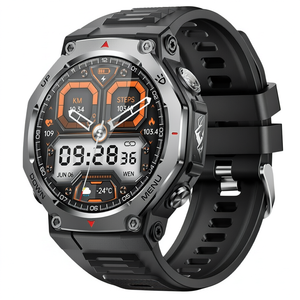
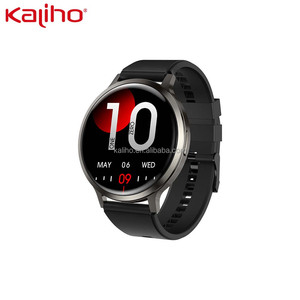
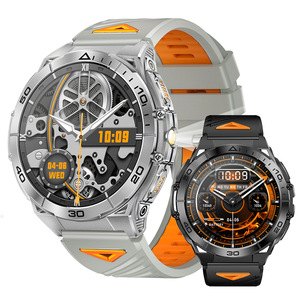
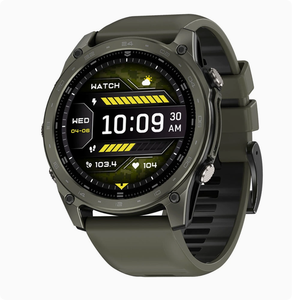
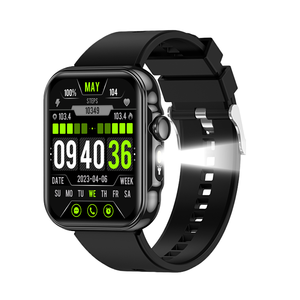
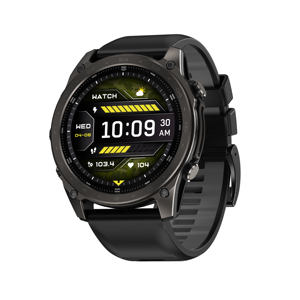
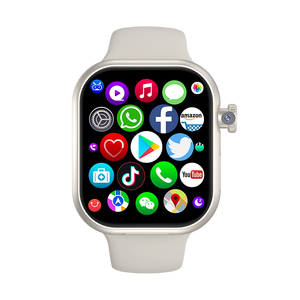
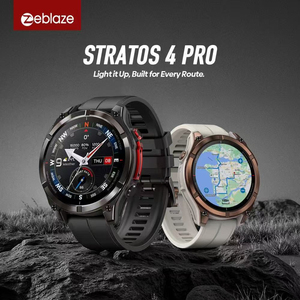
The global wearable technology ecosystem is undergoing a major paradigm shift. Historically, outdoor smartwatches treated illumination as a software workaround—overdriving the LCD or AMOLED backplane to display a plain white screen. However, this approach yields negligible lumen output (under 15 lumens), severe battery drain, and thermal throttling across the main application processor.
Leading OEM/ODM AMOLED flashlight watch factories & suppliers are pioneering true hardware-level light integration. By combining high-efficiency organic light-emitting diode (AMOLED) displays with independent, high-power SMD LED torch modules housed within structural metal bezels, modern smartwatches now deliver tactical-grade illumination exceeding 120 lumens without sacrificing display longevity or processor stability.
This whitepaper examines the core hardware architecture, procurement trends, micro-LED vs. AMOLED display driver IC selection, thermal management protocols, and B2B manufacturing standards required for global brands, importers, and military-grade gear distributors.
As global buyer expectations shift toward specialized utility devices, B2B procurement teams must evaluate hardware suppliers based on five critical technological trends shaping next-generation flashlight wearables:
Transition from voltage-driven screen backlights to dedicated step-up constant-current LED drivers operating on isolated power rails, preserving main motherboard stability during voltage dips.
Integration of high-intensity white beam SMD LEDs paired with secondary red or green monochromatic LEDs for tactical night-vision preservation, signaling, and search-and-rescue (SAR) compliance.
Overcoming the structural vulnerability of adding a flashlight lens through precision liquid silicone rubber (LSR) injection molding and dual-O-ring optical reflector sealing.
Integrating a 100+ lumen LED torch into an AMOLED smartwatch demands meticulous electro-thermal co-design. Standard smartwatch chassis measure between 11.5mm to 14.5mm in thickness. Adding high-lumen optics introduces critical engineering challenges:
1. Thermal Management & NTC Throttling: High-power SMD LEDs generate localized thermal spikes exceeding 65°C within seconds. OEM factories utilize micro-copper heat pipes connected directly to the aluminum or zinc alloy chassis, serving as a heatsink. Integrated Negative Temperature Coefficient (NTC) thermistors continually monitor torch temperatures, automatically throttling drive current to protect internal Li-Po battery chemistry.
2. High-C Discharging Li-Po Cells: Flashlight activation requires instantaneous current draw ranging from 300mA to 800mA. OEM suppliers utilize high-density 3C to 5C pulse-discharge lithium-polymer batteries equipped with dedicated protection circuit modules (PCM) to prevent under-voltage brownouts during simultaneous GPS, Bluetooth calling, and torch usage.
3. AMOLED Display Driver & Memory Optimization: Modern flashlight smartwatches pair 1.43-inch to 1.78-inch AMOLED panels (featuring 466x466 or higher resolutions) with Chip-on-Film (COF) driver ICs supporting hardware-level PWM dimming and Always-on Display (AOD) ultra-low power modes.
A comprehensive comparison between standard consumer wearables and industrial-grade high-lumen AMOLED flashlight smartwatches manufactured by top OEM suppliers:
| Architecture Feature | Standard Fitness Watch | Basic Screen Flashlight Watch | OEM AMOLED Hardware LED Torch Watch |
|---|---|---|---|
| Illumination Source | Display Backlight Overdrive | Software Screen Whiteout | Dedicated High-Lumen SMD LED Torch |
| Peak Luminous Flux | 5 - 12 Lumens | 15 - 25 Lumens | 80 - 150+ True Lumens |
| Effective Beam Distance | < 1 Meter | 1 - 2 Meters | 15 - 35 Meters Direct Beam |
| Power Rail Separation | Shared Screen Bus | Shared Screen Bus | Isolated Constant-Current LED Driver Rail |
| Thermal Dissipation | Passive Plastic Shell | Passive Plastic Shell | Micro-Copper Heat Sink + Metal Alloy Bezel |
| Waterproof Structural Rating | IP67 / 3ATM | IP68 / 5ATM | IP69K & 5ATM/10ATM Sealed Lens Ring |
| Battery Impact (1 hr Torch) | Screen Degradation & 45% Drain | 35% Battery Drain | Optimized Independent Control (<12% Drain) |
Partnering with a specialized OEM/ODM factory guarantees complete control over hardware execution, firmware customization, supply chain transparency, and quality assurance. Enterprise manufacturing capabilities include:
In-house high-speed Yamaha and Fuji Surface Mount Technology (SMT) lines capable of mounting 0201 micro-components, dual-core chipset mainboards, and high-brightness LED modules with sub-micron precision.
Turnkey RTOS / Android OS customization. Complete SDK/API access for integrating proprietary health algorithms, white-label mobile applications (iOS/Android), custom boot logos, and branded UI watch faces.
100% production line testing including 100m air-pressure leak tests, drop testing per MIL-STD-810H standards, salt spray corrosion testing, button cycle life tests (>200,000 presses), and optical lumen validation.
Direct technical and logistical answers for procurement managers, brand owners, and importers evaluating AMOLED flashlight watch suppliers:
For ready-to-ship neutral stock or minor laser-logo branding, MOQ starts as low as 100 to 500 units. For full OEM customization (custom mold tooling, private-label packaging, tailored firmware, and unique casing colorways), standard production MOQ is typically 1,000 to 3,000 units per batch.
Flashlight lenses are integrated using optical-grade PMMA/Tempered Glass sealed with liquid silicone rubber (LSR) gaskets under high pressure. Additionally, each casing undergoes dynamic vacuum pressure testing and 100% water immersion testing during the assembly process prior to mainboard mounting.
All standard products comply with global regulatory standards including CE, FCC, RoHS, REACH, and UN38.3 (battery transport security certification). Military-grade models undergo independent lab validation for MIL-STD-810H environmental shock, vibration, and thermal extreme compliance.
Yes. The hardware-driven flashlight module is tied directly to the MCU firmware. We can program multi-stage light modes including low-beam ambient light, high-beam direct search, 8Hz emergency SOS flash, and red/green signaling modes selectable via physical hotkey or touch UI.
Industrial design rendering and 3D mockups take 7-10 business days. Tooling and mold opening require 30-35 days. SMT trial runs and Golden Sample verification take 15 days. Mass production of 5,000+ units is generally completed within 30 to 45 calendar days following sample sign-off.
Yes, we offer fully re-branded iOS and Android companion apps (such as APEXMOVE or custom white-label applications). Services include localized server architecture setup, customized UI styling, third-party API syncing (Apple Health, Google Fit, Strava), and complete App Store / Google Play publishing support.
Connect directly with our engineering team to discuss custom tooling, component selection, MOQs, and volume B2B pricing for your next AMOLED flashlight smartwatch line.
Inquire Now