
Explore our factory-direct customizable smartwatch platforms engineered for global brands, B2B distributors, and outdoor hardware importers.
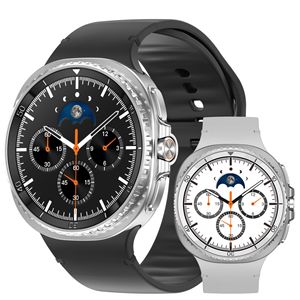
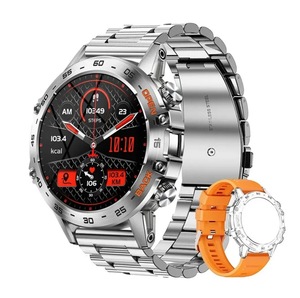
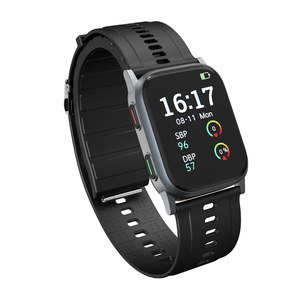
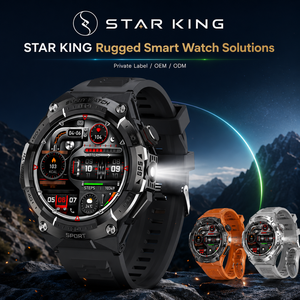
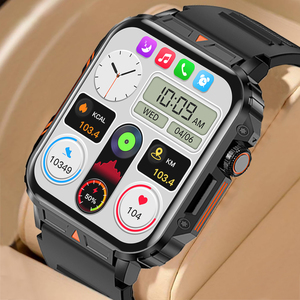
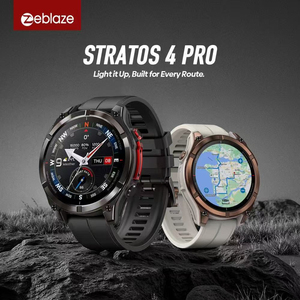
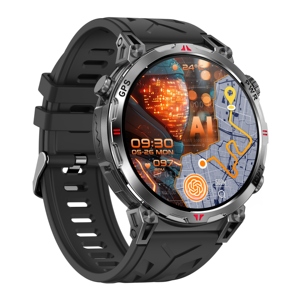
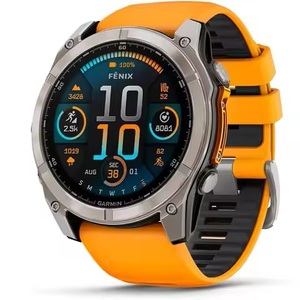
The global wearable technology ecosystem is undergoing a fundamental structural transition. Driven by advances in micro-electronics, algorithmic sensor accuracy, and rugged material sciences, international brands are moving away from commodity white-label wearables toward highly customized Original Equipment Manufacturer (OEM) and Original Design Manufacturer (ODM) partnerships. For procurement managers, product line directors, and consumer electronics distributors, identifying capable custom OEM smartwatch factories is no longer merely a matter of unit-cost negotiating; it is a critical exercise in engineering capability, software SDK interoperability, and rigorous compliance validation.
This industry whitepaper provides an exhaustive technical analysis of modern smartwatch manufacturing standards. By examining structural engineering benchmarks such as MIL-STD-810H durability protocols, 10ATM deep-water resistance, and L1+L5 dual-band satellite positioning systems, this document outlines the prerequisite standards required to establish market-leading wearable product lines.
Modern consumer and industrial buyers require smartwatch hardware that withstands extreme thermal shock, continuous moisture exposure, and physical degradation while delivering medical-grade biometric monitoring. Partnering with a specialized factory with integrated SMT, cleanroom assembly, and internal pressure testing is essential for high-yield product launches.
When selecting a supplier for custom smartwatches, hardware architecture dictates market viability. Standard consumer smartwatches designed for domestic office use frequently fail when subjected to outdoor adventure environments, heavy industrial job sites, or marine activity. A top-tier OEM smartwatch factory builds products according to strict military and industrial protection standards.
The U.S. Military Standard MIL-STD-810H represents the benchmark for rugged electronic hardware. Custom OEM smartwatches engineered to this specification undergo rigorous environmental stress screening across multiple axes:
Water ingress remains the single leading cause of RMA (Return Merchandise Authorization) claims in smartwatches. Advanced OEM smartwatch suppliers deploy dual-O-ring gaskets, ultrasonic acoustic membranes, and hydrophobic mesh covers to achieve multi-tier waterproofing:
| Rating Code | Hydrostatic / Pressure Limit | Operational Environment | OEM Testing Methodology |
|---|---|---|---|
| IP67 | 1 Meter Static (30 Mins) | Daily Splash, Dust Protection | Submersion tank water testing |
| IP68 | 1.5 Meters Static (Continuous) | Shallow Swimming, Rain, Dust | Standard depth pressure vessel |
| IP69K | High-Pressure High-Temp Water Jets | Industrial Cleaning, Heavy Mud/Dust | 80°C Water jet spray at 100 bar pressure |
| 10ATM | 100 Meters Static Equivalent Pressure | Snorkeling, High-Speed Water Sports | Multi-stage pneumatic & hydrostatic chamber |
To deliver measurable Information Gain to consumer markets, OEM buyers must integrate cutting-edge chipsets, display assemblies, and sensor arrays into their custom watch tooling. Below are the key technological vector updates shaping modern smartwatch procurement.
Single-frequency GPS (L1 only) suffers severe signal multipath degradation in dense urban canyons, dense forests, and steep mountain valleys. Advanced OEM smartwatches incorporate dual-frequency (L1+L5) satellite positioning across GPS, GLONASS, Galileo, BeiDou, QZSS, and NAVIC. This delivers sub-meter positioning accuracy and real-time offline track rendering.
Modern display specifications favor high-luminance AMOLED panels capable of reaching peak brightness levels of 1000+ nits for outdoor readability under direct sunlight. Furthermore, integrating dedicated dual-color hardware flashlights directly into the watch casing provides tactical utility without penalizing battery efficiency.
Custom OEM hardware utilizes multi-channel optical heart rate arrays incorporating red, infrared, and green LEDs. Coupled with micro-code algorithms, these sensors track continuous SpO2 saturation, HRV (Heart Rate Variability), stress indices, automatic sleep architecture, and blood pressure trends.
As consumer expectations mature, B2B procurement strategies are shifting rapidly. Global brand managers must navigate several strategic trends when formulating long-term supply chain contracts with OEM factories:
Off-the-shelf catalog products no longer offer sustainable margin protection. Leading brands now demand custom housing molds (NRE tooling), bespoke bezel knurling, proprietary button layouts, and custom-embossed silicone or titanium straps. Deep ODM collaboration allows brands to launch unique physical designs while sharing core PCB architecture to minimize development lead times.
A smartwatch is only as effective as its software pairing experience. Factory partners providing robust companion application integration—such as customized versions of the APEXMOVE app architecture—allow brands to provide cloud data syncing, GPX/KML route imports, custom watch-face marketplaces, and localized health tracking without incurring multi-million-dollar software R&D costs.
Aerospace-grade Grade 5 Titanium alloys and synthetic Sapphire Crystal glass, once reserved exclusively for high-end mechanical horology, are rapidly entering the mainstream smart wearable market. OEM factories with specialized CNC machining centers and vacuum-plating (PVD) lines empower brands to offer luxurious yet virtually indestructible sport smartwatches.
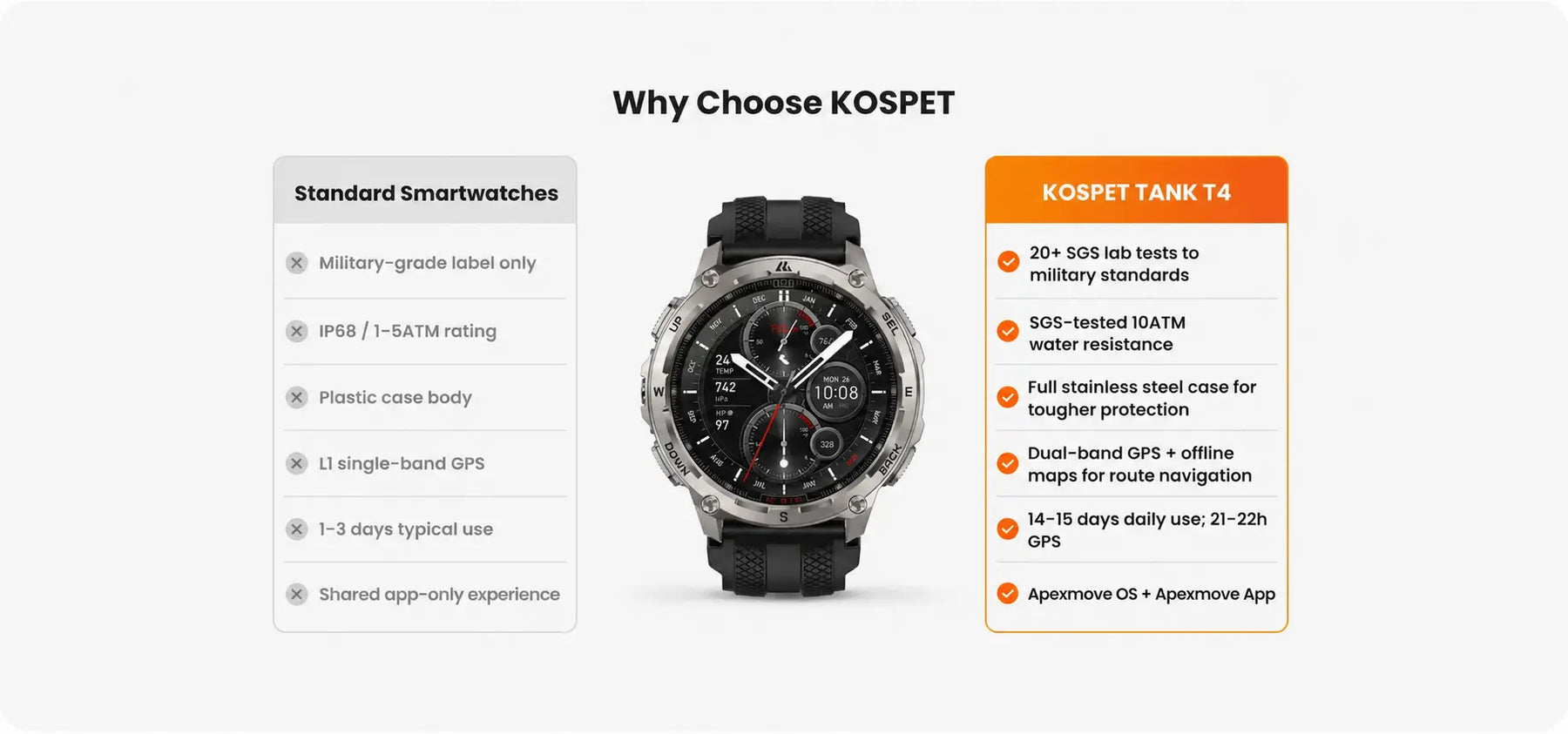
Partnering with our specialized smartwatch manufacturing facility provides global buyers with unyielding engineering rigour, end-to-end transparency, and competitive pricing frameworks derived from scaled supply chain integration.
Our manufacturing complex houses high-speed automated SMT placement lines equipped with 3D Automated Optical Inspection (AOI) and X-ray Component Inspection (AXI). This guarantees zero-defect solder joint assembly for high-density multi-layer smartwatch motherboards containing sensitive GNSS chipsets and low-power MCUs.
Every single manufactured smartwatch unit passes through a multi-stage Quality Control (QC) battery before packaging: